
7 Outbound Lead Generation Strategies (What Works in 2025)
October 17, 2025 • min to read
.jpg)
Let’s be honest — outbound has a bit of a bad rep. For years, it’s been associated with generic cold emails (“Hi {FirstName}, can I have 15 minutes of your time?”) and endless dialing that leads nowhere.
But here’s the twist: outbound lead generation isn’t dead. In fact, it’s one of the fastest ways to build a predictable B2B pipeline — if you do it right.
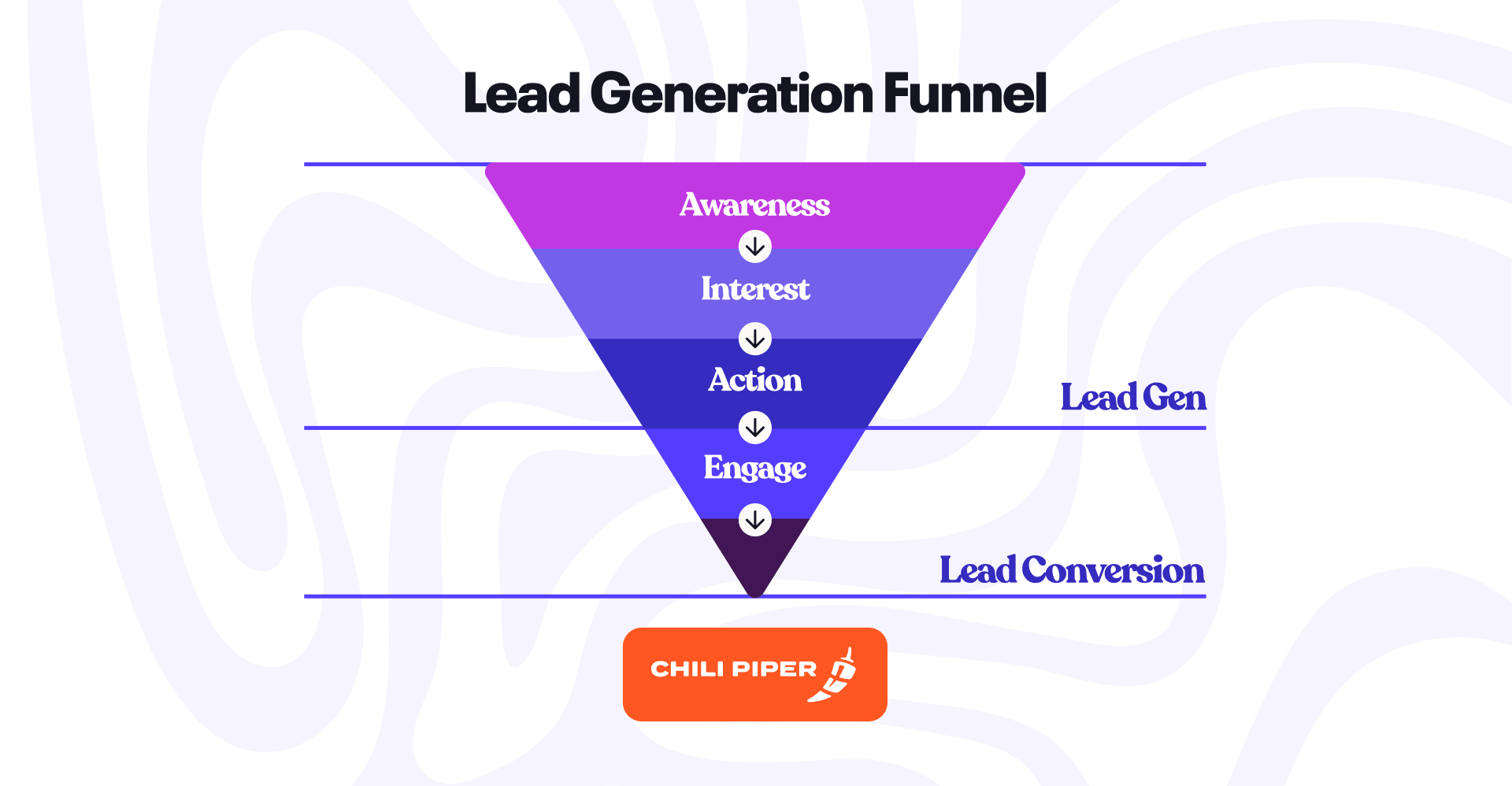
So, what has changed lately, and why does it perform worse then?
- Email privacy updates in Apple and Gmail spam filters made open rates nearly meaningless, a vanity metric.
- Buyer fatigue skyrocketed. Everyone’s inbox is flooded, so bad outreach gets deleted in seconds.
- The noise level in 2025 is higher than ever, with thousands of vendors chasing the same ICPs.
According to the Outbound Benchmarks Report 2025, even reply rates across industries dropped by 12% compared to 2024. Teams that still rely on a generic, mass approach are burning cash with little to show for it.
But teams that evolved and embraced omnichannel, smarter targeting, and personalization at scale are still booking meetings, filling pipelines, and closing deals.
Outbound still matters because inbound lead gen can’t always keep up. You can’t afford to just sit around and wait for leads to come to you. As we like to say: Inbound builds your brand, outbound builds your pipeline.
But now let’s break down 7 outbound lead generation strategies that actually work in 2025.
#1 Create a Precise Ideal Customer Profile (ICP) & Targeting
Building an ICP isn’t just about filling in firmographics and calling it a day. That’s the basic version — the kind of checklist anyone can get from ChatGPT. Useful, yes, but too shallow if you’re serious about outbound in 2025.
The advanced play is to go beyond the basics: segment, score, and iterate until your ICP drives measurable revenue impact. Here’s how.
Advanced ICP Workflow
In most cases, there’s more than one decision-maker in the company. In the U.S., the average B2B buying group is 10–11 people. This means you need to include everyone who influences the final purchase decision, whether those people are in technical, financial, or operational roles.
To make sure you get to the right people, do the following:
- Segment by sub-industry and growth. Don’t stop at “B2B SaaS” or “Healthcare.” Break industries into sub-industries, then prioritize the ones that are actually growing (look at hiring velocity, funding, product launches).
- Design buying committees by size and region. Startups and mid-market orgs buy differently than enterprises. Geographies add another layer. A healthy committee includes at least five roles:
- Decision-maker
- Champion
- Influencer
- Signer
- POC (point of contact/user)
The mistake most teams make is only including two people, like the VP Sales and Head of Demand Gen. In reality, a 50–200-employee Series A SaaS org will involve Rev Ops, Sales Managers, and Finance, too. If you’re not mapping them, you’re flying blind.
- Enforce account completeness. Every company on your target list should include all relevant roles in its buying committee. No partial records. No skipped decision-makers.
- Score accounts with AI. Use tools like Clay, homegrown scoring, or even ChatGPT to run fit models. Instead of just saying “B2B SaaS,” evaluate: What does this company actually do, and how well does that align with our proposition? Fit scoring helps you prioritize accounts that look like your best customers — not just any logo in the database.
- Iterate, don’t freeze. An ICP is never “done.” You won’t get it right in the first iteration. Treat it like a 90-day program:
- Month 1: Draft ICP + first committee mapping.
- Month 3: Refine — add missing titles discovered in outreach, adjust fit scores, drop low-yield segments.
- Month 6: Double down on the sub-industries and committee structures that convert best.
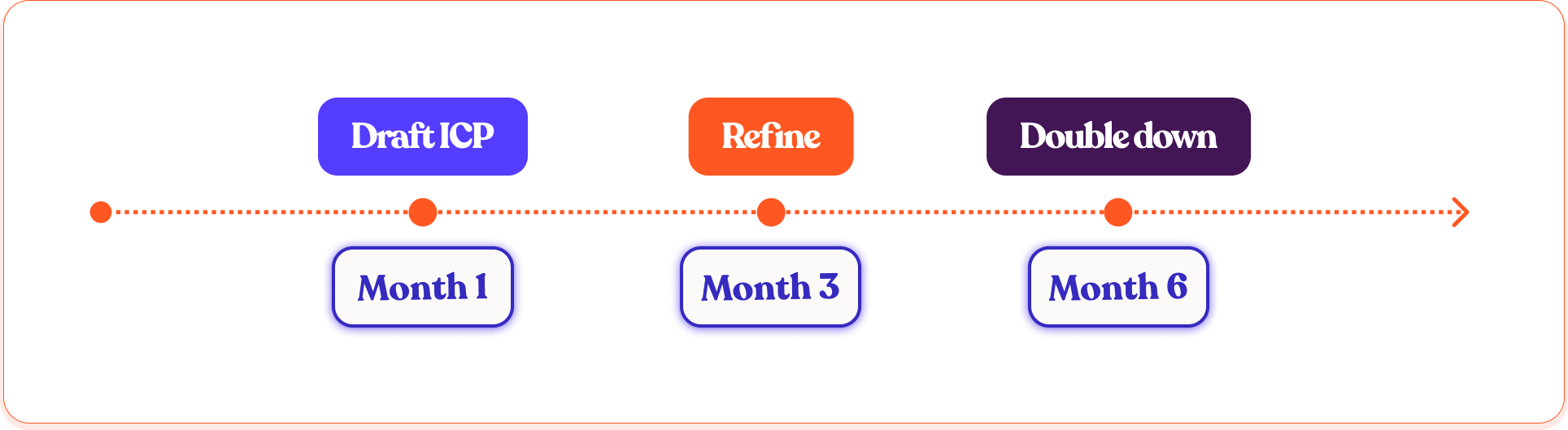
The ICP you start with in Month 1 should look very different by Month 6. That’s a feature, not a bug.
Note: Why a precise (and evolving) ICP matters:
- Saves you from chasing bad-fit leads.
- Ensures your messaging resonates.
- Boosts conversion rates down the funnel.
- Keeps your brand respected, not flagged as spammy.
- Anchors your strategy in reality—your best ICP today won’t look the same in 3–6 months.
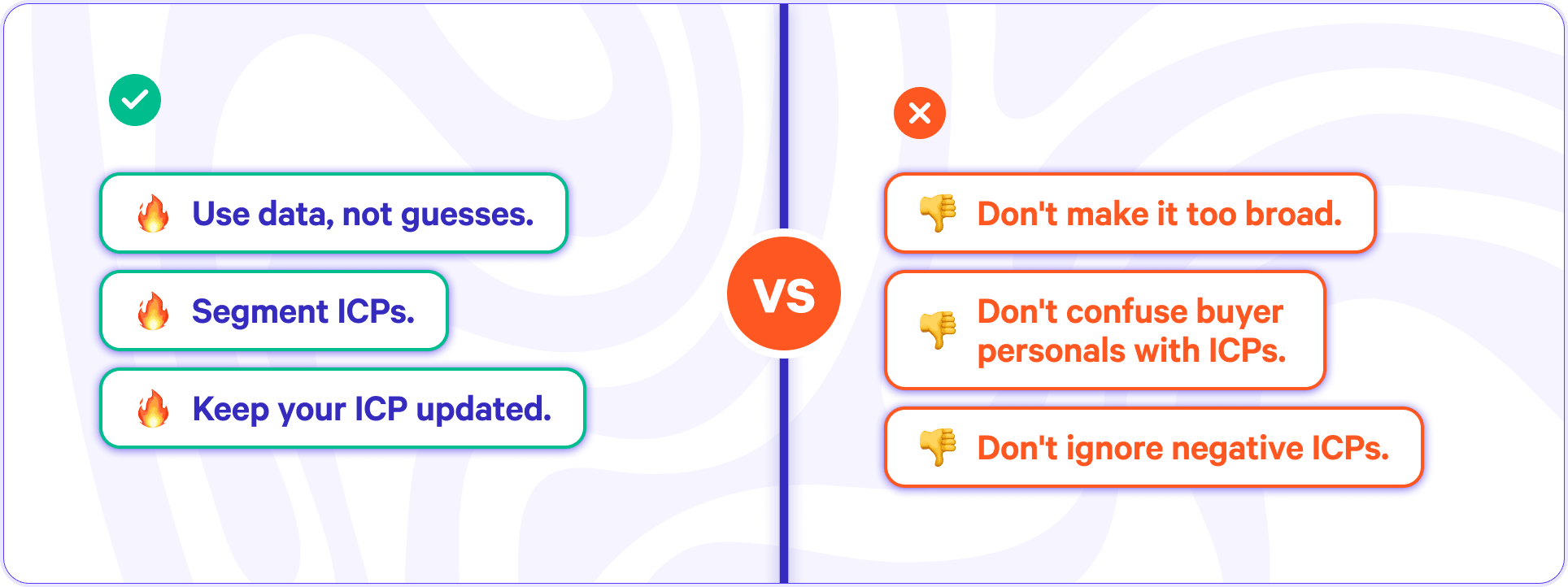
Dos and Don’ts When Building an ICP
A few more tips for you to consider when creating an ICP:
ICP Examples
Bad ICP: “We sell to B2B SaaS companies.”
That’s too broad. You’ll end up targeting everyone from a 5-person startup to Salesforce.
Good ICP:
- Industry/Sub-industry: B2B SaaS → Sales Engagement / Conversational Intelligence
- Size/Stage/Geo: 50–200 FTE, Series A–B, North America
- Growth signals: SDR hiring surge, new VP Sales, recent funding
- Buying committee (≥5 roles):
- VP Sales (signer)
- Head of Demand Gen (champion)
- RevOps Lead (influencer)
- Sales Manager (POC/user)
- Finance Controller (sign-off)
Why this works: it’s clear, measurable, and actionable. Sequencing can be tailored to each role, while AI-driven scoring ensures you only invest in accounts where multiple committee members align.
#2 Tune the Lead Qualification & Handoff Processes
A strong outbound motion isn’t just about generating leads — it’s about making sure the right ones flow smoothly into sales. The basics (MQL criteria and SQL thresholds) are table stakes. What separates advanced teams in 2025 is how they tag, route, and connect leads in real time.
Not All MQLs Are Equal
Calling every engaged contact an “MQL” is a recipe for wasted effort. Instead, tag MQLs differently based on entry point and intent:
- eBook download = low-intent content lead.
- LinkedIn interaction = medium-intent engagement.
- Service page form = possible high-intent signal, pay attention to other interactions, if any.
- Pricing page form = high-intent buying signal.
This nuance matters because not all MQLs deserve the same speed of communication or treatment.
Automate the Qualification Layer
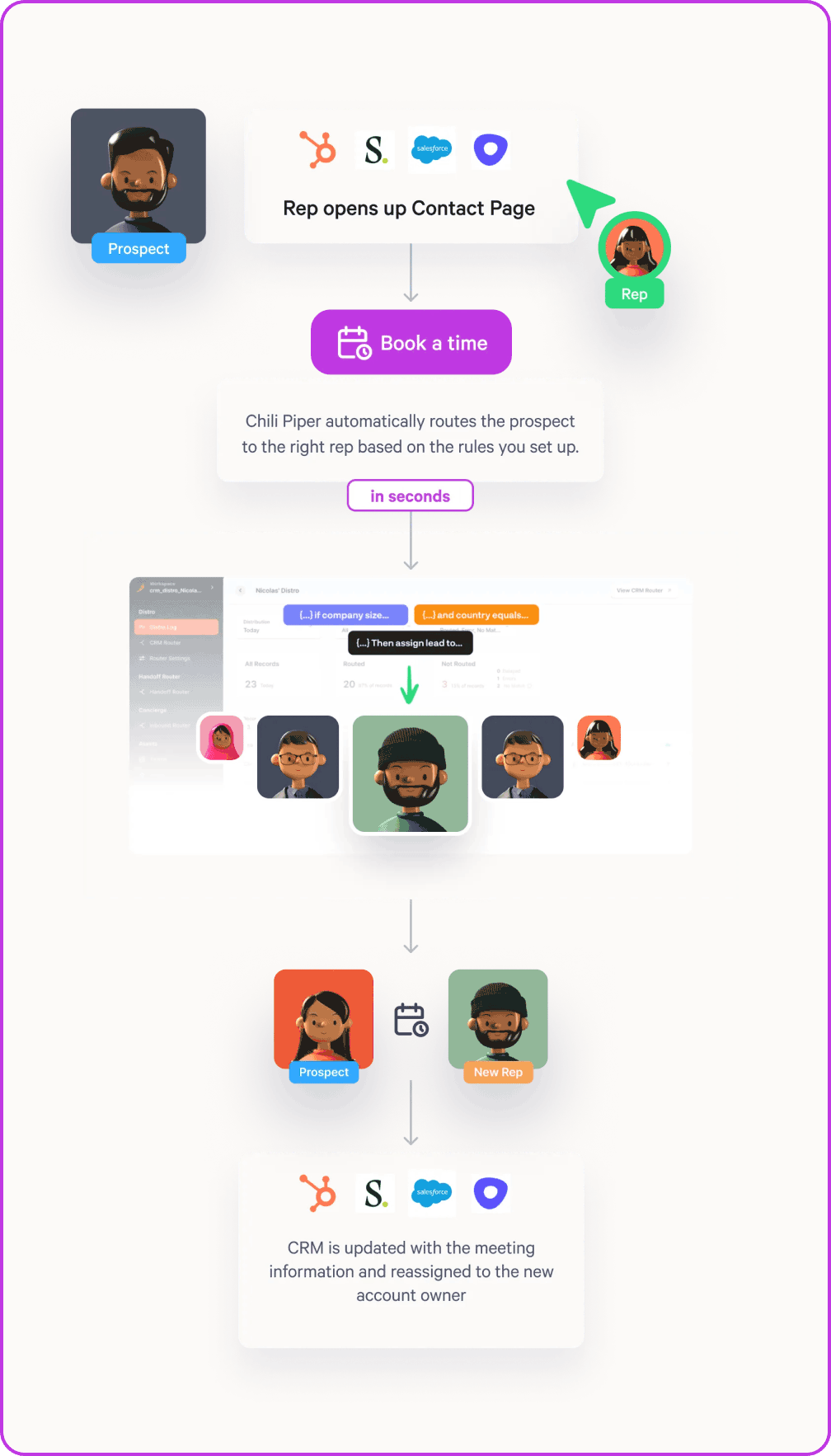
Manual tagging doesn’t scale. Use CRM workflows and tools like Chili Piper + HubSpot to automatically:
- Attribute leads to the source.
- Compare them against the ICP criteria.
- Assign a score that predicts whether they’re worth your sales team’s time.
This automation ensures that leads are routed instantly instead of being stuck in SDR queues.
SQLs Need Frictionless Handoff
Too many teams slow down SQLs with forms, prequalification, or SDR bottlenecks. By the time sales calls, the prospect’s attention is gone.
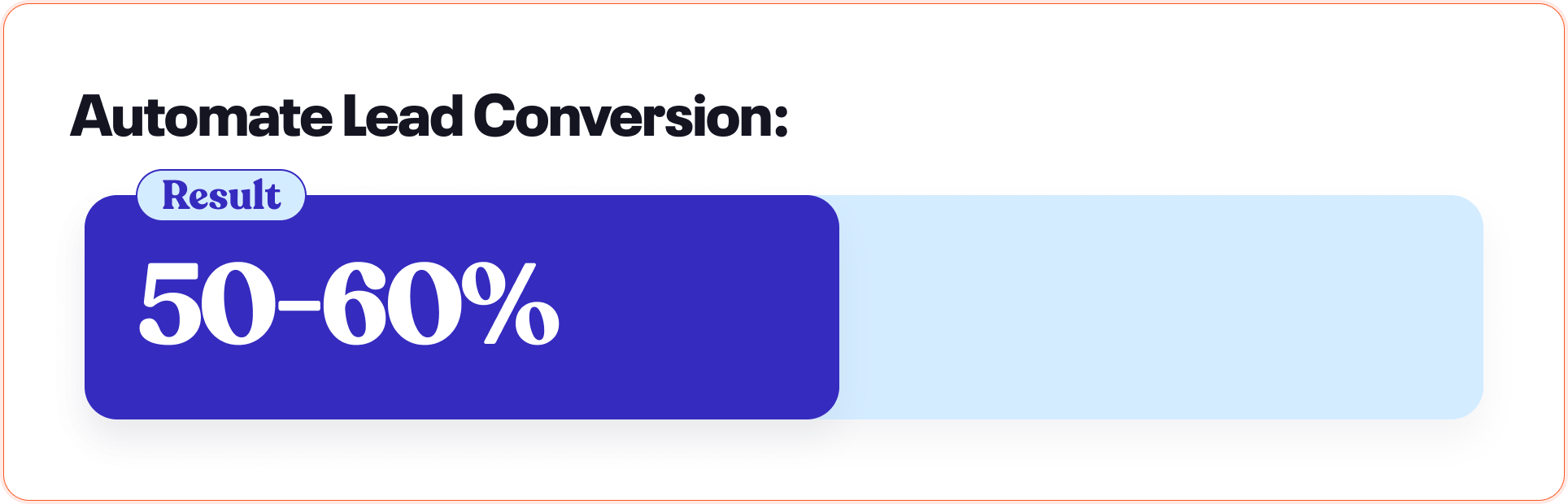
The better play: instant routing and booking. Again, at Belkins, we integrate Chili Piper with HubSpot forms so that SQLs book directly with the right sales executive in real time.
Result: 50–60% of leads convert straight to the meetings without human delay.
Extra Tips
- Balance automation with human exceptions. You can automate 80–85% of lead flow. But there will always be ~15% of edge cases — complex accounts, exceptions, or signals that automation can’t interpret. That’s where an inbound SDR or qualification specialist comes in. Their role is to handle anomalies, refine ICP alignment, and keep the system honest. Think of a qualification as a hybrid engine:
- Automation provides the scale and speed.
- Humans provide the judgment and iteration. Together, they eliminate bottlenecks and ensure every good lead becomes a real conversation.
Iterate relentlessly. Qualification is never static. You’ll miss titles in Month 1 that you discover by Month 3. You’ll find signals that correlate strongly with closed-won deals. That’s why your qualification rules should evolve like your ICP: automation does the heavy lifting, but humans fine-tune in real time to keep conversion rates climbing.
#3 Personalize at Scale
Yes, personalization matters. No, it’s not just about adding {{FirstName}} or {{Company}} to an email. It’s also not about congratulating someone on their Series A or noting they’re hiring — that’s 2017-level personalization. Everyone has access to those signals. In 2025, advanced teams play a different game: relevancy-based personalization powered by AI.
From Signals → Relevancy
Signals (funding, hiring, tools) are surface-level. Relevancy means: “Here’s how our solution creates value for your company right now, at your stage, with your needs.”
Examples:
- AI scrapes a prospect’s website → produces a 2-sentence summary of what they do → matches it to your value proposition → generates a unique email body that explains why your solution helps them specifically.
- A content agency scrapes a prospect’s blog → AI analyzes whether posts are TOFU, MOFU, or BOFU → outreach references a recent article and suggests how the agency can fill the gap.
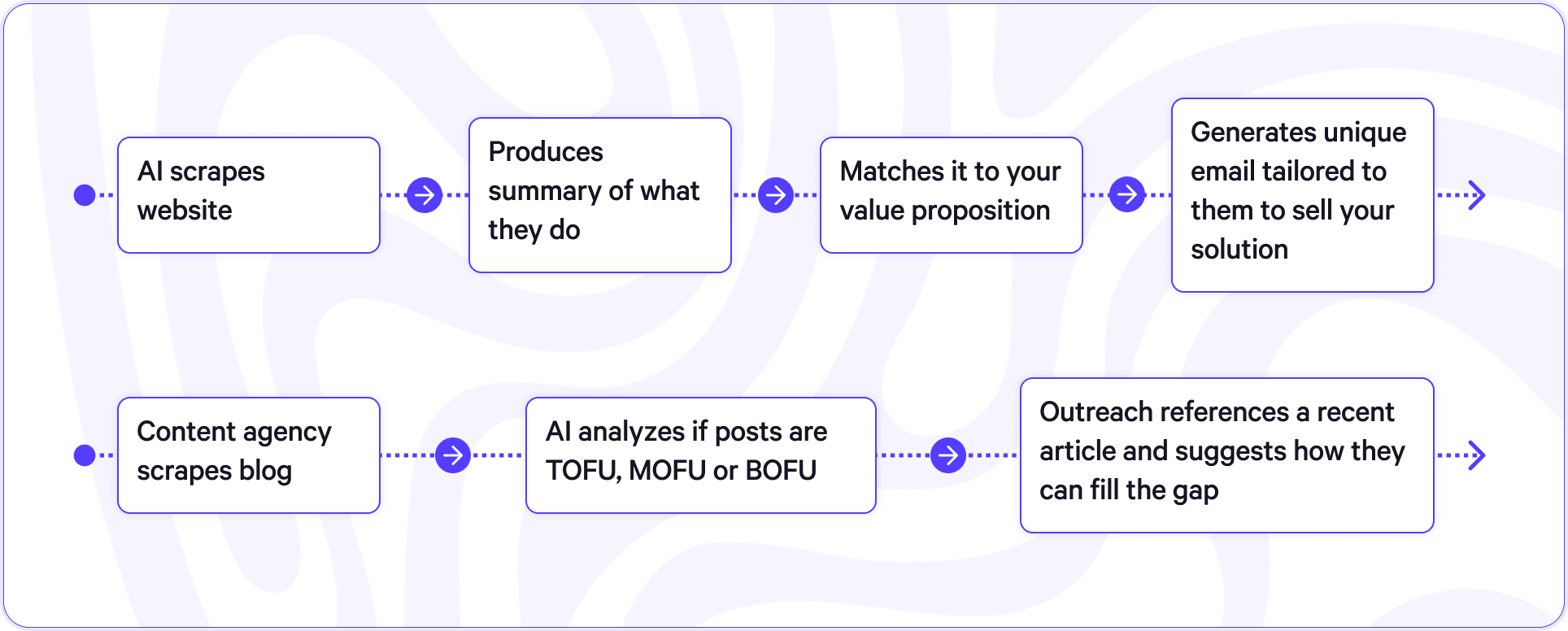
Each company gets messaging that’s uniquely aligned with their context, not recycled “Congrats on funding” templates.
Pro tip: To achieve that, train an AI agent on your own company’s solution set, case studies, and differentiators. Then combine it with real-time scraping of prospect data (websites, blogs, LinkedIn updates). The AI collides these two worlds to produce personalized, relevant messaging at scale — messaging that resonates because it’s rooted in value creation.
Want more useful tips? Check out the cold email checklist to ensure your campaigns sound human and resonate with your audience.
#4 Go With Omnichannel; It’s the New Black
If you’re relying on a single source of leads (say, cold email), you’re already behind. In 2025, buyers move fluidly across email, LinkedIn, calls, paid media, and content — and they rarely convert after a single touch.
According to a recent McKinsey report, B2B customers use more than 10 channels to get information about potential vendors.
That’s why winning teams stopped thinking in silos; they run omnichannel GTM motions, where marketing and SDRs operate as one.
SDRs Are Moving Closer to Marketing
The old model treated SDRs as “sales juniors” dialing and emailing in isolation. That’s outdated. Today’s SDRs are extensions of marketing:
- Amplifying campaigns with 1:1 outreach.
- Reinforcing paid ads with LinkedIn comments and calls.
- Converting inbound interest into an outbound pipeline.
Think of SDRs as your extra muscle power — not tied to a single channel, but driving cross-channel engagement wherever prospects are active.
Omnichannel = Impact Beyond Attribution
Not every touch can be neatly attributed. A prospect might see your ad, skim your blog, accept a LinkedIn connect, and then reply to an email. Which channel “worked”? All of them.
That’s the point: omnichannel doesn’t win because it’s trackable, it wins because channels reinforce each other. Together, they build momentum that no single touch can.
Here’s what an advanced omnichannel flow includes:
- Email outreach for value-driven hooks.
- LinkedIn engagement (comments, DMs, voice notes).
- Phone calls that add human urgency.
- Paid ads running in the background for familiarity.
- Content touches (insights, case studies) that anchor thought leadership.
We at Belkins have already embraced an omnichannel strategy. Making it a core part of our B2B appointment setting services, we’ve managed to help one of our clients:
- Connect with 72% of the new personas they couldn’t reach out to before.
- Boost average conversion rates (CR) from lead to meeting:
- Email → 25.4%
- Cold calling → 14.1%
- LinkedIn → 5.0%
- Reach 39% pipeline conversion from meetings to qualified opportunities, beating the industry average.
Pro tip: Though omnichannel is definitely worth trying, it’s a complex system that requires specific tools, infrastructure, and configuration. We’d recommend trying each channel in isolation and then combining them into a sophisticated system.
#5 Partner with Lead Generation Experts
Outbound isn’t something you simply hand off. It’s something you build smarter by collaborating with specialized partners.
Why Specialized Help Matters
The marketing and sales landscape has become too complex to figure out alone. There are too many tools, signals, and playbooks to reinvent the wheel every time. Trying to do it all yourself often means:
- Taking the long road.
- Burning resources.
- Repeating mistakes others have already solved.
Specialized help gives you access to proven frameworks and domain expertise that accelerate execution without trial and error.
Collaboration, Not Delegation
Outsourcing doesn’t mean: “You guys handle this,” it means: “We figure it out together.” To get the most out of your partnership, consider this:
- Your team brings deep context about your company and customers.
- Partners bring playbooks, tools, and hard-won expertise in specific areas.
- Together, you co-create a system that’s faster, smarter, and more effective than either side could build alone.
Practical examples:
- Tools specialization: Instead of hacking together basic booking forms, work with providers like Chili Piper who specialize in real-time handoff and routing.
- Execution specialization: Rather than guessing at omnichannel sequences, collaborate with a team that already knows what works across email, LinkedIn, calls, and ads.
Note: Outsourcing isn’t about losing control — it’s about buying speed, expertise, and results.
#6 Build a Specialized Tech Stack
The real challenge in 2025 is building a toolkit that’s specialized, integrated, and aligned with how your team actually sells.
Make sure to review your tools from time to time and to remove the ones that doesn’t fit your strategy or miss the core features you need. For example, we at Belkins noticed that G2 signals have lost reliability with AI/LLM-driven traffic.
Also, our SDRs operate in a connected sales environment:
- HubSpot as the core CRM + marketing platform.
- Chili Piper for lead handoff and instant booking.
- Nooks, Expandi, Reply for outreach power plays.
This isn’t a random pile of tools. It’s a designed system: HubSpot at the center, with specialized apps plugged in to execute omnichannel strategies at scale. SDRs treat it as their workplace — everything flows through it.
Note: The tools you use should enhance humans, not replace them.
#7 Take Care of Strategic Things First
Most people approach outbound with the wrong expectations. They jump straight to output metrics — meetings booked, pipeline generated, reply rates, conversion. But if you don’t get the fundamentals right, you’ll never hit the numbers anyway.
For example, your strategic goal is scaling to the new accounts, but before you do, you need to validate fits:
- Messaging–product fit: Does your pitch resonate?
- ICP–product fit: Are you targeting the right accounts?
- Positioning–product fit: Does your value prop stand out?
- Engagement–product fit: Can you consistently spark real conversations?
If you can’t generate even 10–20 meaningful conversations that prove these fits, scaling campaigns is premature.
Engage Before Scaling
Early outbound is less about volume and more about testing the system:
- Can you bypass spam filters?
- Can you hit LinkedIn limits and still get responses?
- Can you validate phone data and connect with real decision-makers?
- Do prospects actually read your content or visit your site after outreach?
Solving these bottlenecks first means when you scale, you’re scaling something that works.
Note: Don’t measure outbound by outputs alone. Measure whether your system works end-to-end and only then scale it.
Bringing It All Together
Here’s the truth: outbound isn’t dead — bad outbound is.
The outbound of the past was company-centric. Think Salesforce in its early days: huge databases, mass sequences, and a playbook optimized around the vendor’s business model, not the customer’s. That model doesn’t work anymore.
The future of outbound is customer-centric:
- Reaching the right people
- On the channels they actually prefer
- At the times they’re most receptive
- With messaging that feels relevant only to them, not like a recycled template.
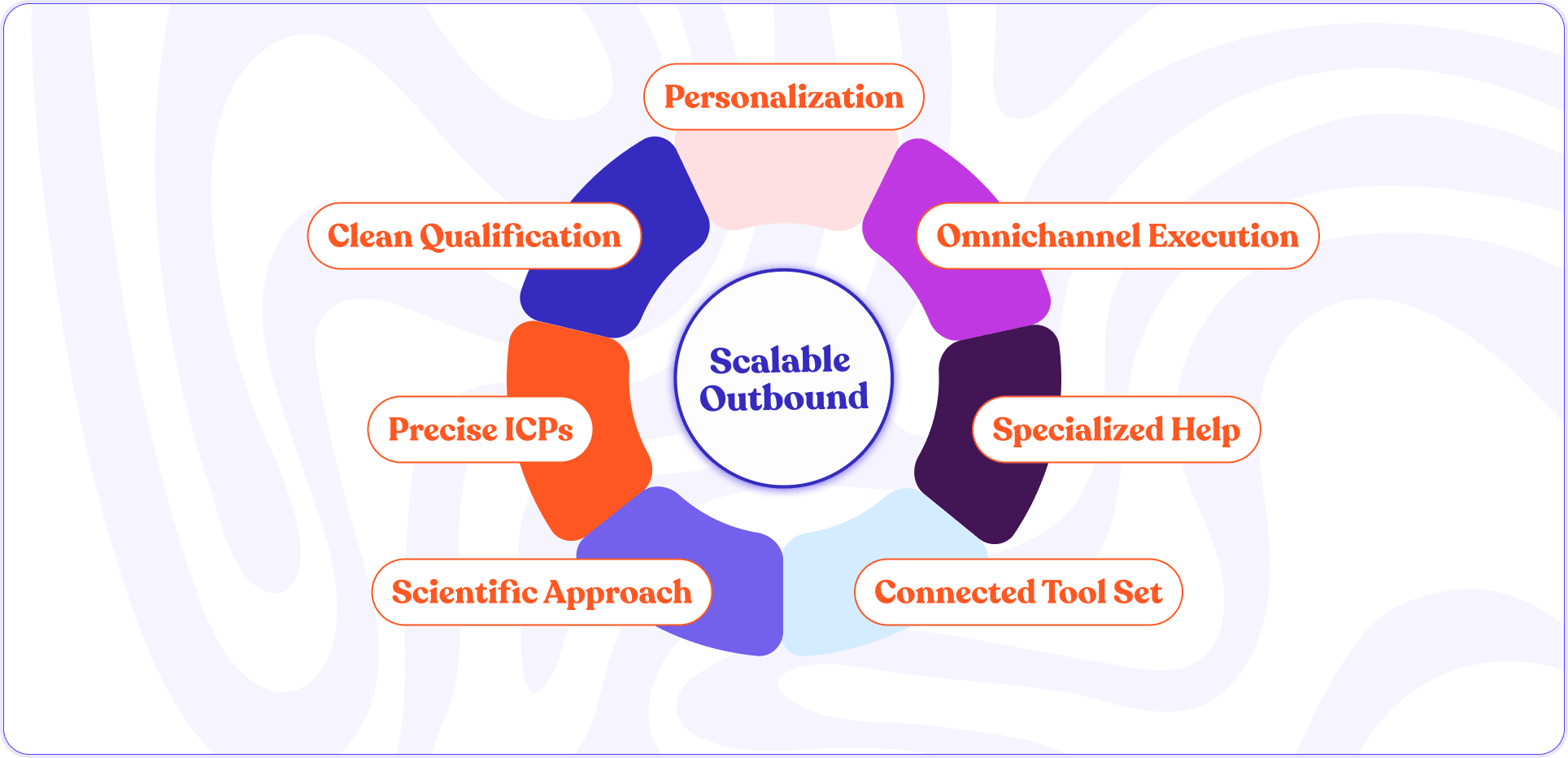
To get there, outbound can’t live in isolation. It must be built as a scientific method inside your broader marketing function. That means:
- Constant hypothesis generation → testing → iterating → refining.
- Using specialized tools for specialized problems — Chili Piper for handoff and instant booking, integrated outreach stacks for orchestration — instead of generic one-size-fits-all software.
- Partnering with specialized vendors when needed, while empowering your in-house team to run day-to-day campaigns and share knowledge continuously.
Put all of this together — precise ICPs, clean qualification, relevancy-based personalization, omnichannel execution, specialized help, a connected tool set, and a scientific approach to iteration — and outbound becomes a scalable, predictable growth engine. One that works in saturated markets as well as new ones, for startups as well as enterprises.
That’s the outbound that wins in 2025 and beyond. Not louder, not spammy, not siloed. Smarter, more specialized, truly customer-centric.
Michael Maximoff is Co-founder and Managing Partner at Belkins. With a decade of B2B Sales and Marketing experience, he's helped countless businesses enhance sales pipelines and boost revenue. Michael loves introducing fresh ideas and products to the market through cost-effective, efficient means, steering clear of capital-raising hassles. Renowned for his expertise and commitment, Michael is a trusted industry leader adept at crafting and implementing strategies to help companies reach their goals.



marketers!
No spam, just spice


